Entry · Ref ISSRN7UQ
The Art of the Mixed Grill: More Than Just Meat on a Plate
- Posted
- 2026-10-27
- Last amended
- 2026-10-27
- Account
- @themixedgrillmarket
There is something deeply satisfying about a plate that refuses to be categorised. A mixed grill, at its best, is not just a collection of proteins thrown together. It is a carefully considered arrangement, a conversation between textures, marinades, and cooking methods that have been refined over generations. For me, the appeal has always been in the variety. You get the charred intensity of a well-cooked chop, the delicate crumble of a good kebab, and the tender bite of spiced chicken, all on one plate. It is a meal that rewards curiosity.
But not all mixed grills are created equal. The difference between a memorable one and a forgettable one often comes down to the cook's understanding of how each element behaves under heat. Some meats need a fast, fierce blast. Others benefit from a slower, more forgiving heat. The best mixed grills show an awareness of this. They treat each component with the respect it deserves, rather than dumping everything on the grill and hoping for the best.
What Makes a Mixed Grill Work
When I think about the mixed grills I have enjoyed most, a few common threads emerge. First, the marinade matters. A good marinade does more than flavour the surface. It penetrates, tenderises, and protects the meat from the harshness of direct heat. Yogurt-based marinades are common in South Asian cooking for good reason. The lactic acid gently breaks down proteins, while the sugars in the yogurt help caramelise the outside without burning it. Second, the cooking method must match the cut of meat. A boneless piece of chicken can handle a hotter fire than a bone-in chop, which needs more time for the heat to reach the bone without drying out the surrounding flesh.
Third, the resting period is often overlooked. Meat that goes straight from the grill to the plate loses moisture rapidly. A short rest, even two or three minutes, allows the juices to redistribute. This is not a new idea. It is common sense in any serious kitchen. But in the rush of service, it is one of the first things to slip. The best mixed grills I have encountered were plated with patience, not panic.
Beyond the Grill: The Supporting Cast
A mixed grill rarely travels alone. It is usually accompanied by bread, salad, and a selection of dips or chutneys. These are not afterthoughts. They are functional. The bread soaks up juices. The salad cuts through richness. The chutneys add acidity, sweetness, or heat, depending on the mood. A well-constructed mixed grill plate offers the eater a chance to build their own bite, combining different elements on a piece of bread or a forkful of salad. That interactive quality is part of the appeal. It is a meal that asks you to participate.

In many Indian restaurants, the mixed grill is a popular sharing dish. It works well for groups because it offers something for everyone. One person might prefer the seekh kebabs, another the lamb chops, and someone else might head straight for the chicken tikka. There is no competition for the same piece of meat. Everyone gets their own favourite, and there is usually enough to go around. That generosity is part of the tradition. A mixed grill is not a miserly plate. It is meant to be abundant.
Tandoor Cooking and Its Influence
The tandoor, a clay oven that can reach temperatures well above 400 degrees Celsius, is central to many of the best mixed grills. The high heat sears the outside of the meat quickly, locking in moisture while the interior cooks through. The shape of the tandoor, with its deep walls, creates an environment where heat radiates from all sides. This is different from a flat grill or a barbecue, where the heat comes from one direction only. The result is a more even cook, with a char that is both crisp and smoky.
But the tandoor is not forgiving. It demands attention. Meat left too long will dry out. Meat taken out too early will be undercooked. The cook must read the surface, listen for the sizzle, and trust their instincts. This is not a skill that can be learned from a recipe book. It comes from repetition, from making mistakes, and from understanding how different meats behave under extreme heat. The mixed grills that come out of a tandoor are the product of that experience.
Regional Differences in Mixed Grills
Mixed grills vary across regions. In North India, the focus is often on robust, boldly spiced meats. In Pakistan, the emphasis might be on the quality of the meat itself, with simpler marinades that let the flavour of the lamb or beef speak. In the Middle East, mixed grills often include kofta, shish tawook, and lamb chops, served with garlic sauce and pickled vegetables. Each tradition brings its own logic to the plate. But the underlying principle remains the same: variety, balance, and respect for the ingredient.
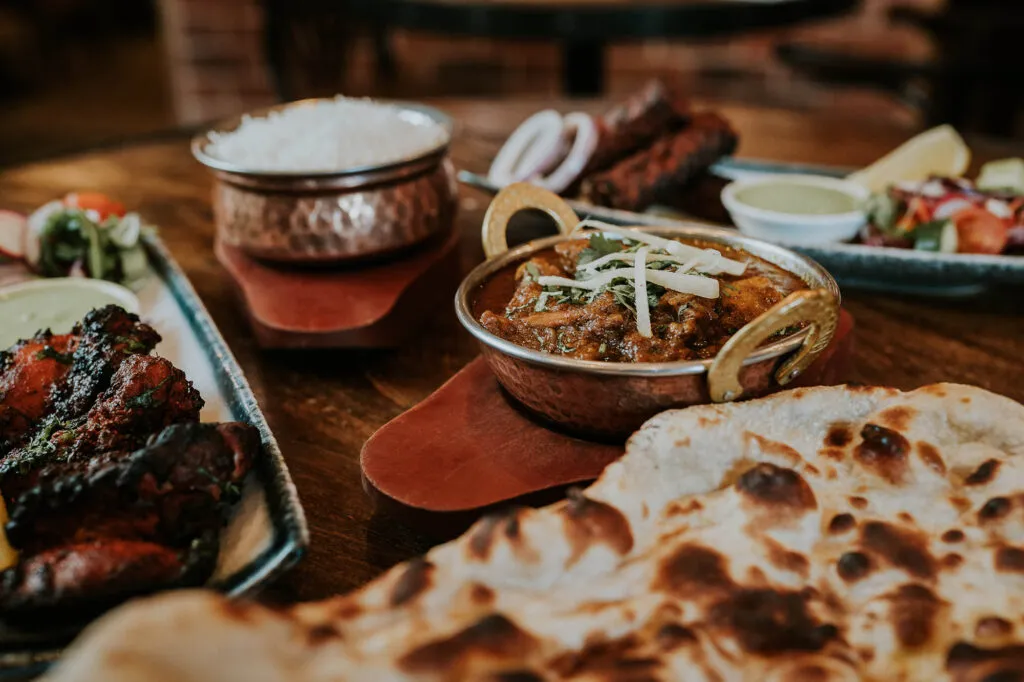
In Birmingham, where I have spent time eating my way through the city's diverse restaurant scene, the mixed grill is a staple. The city has a long history of South Asian cooking, and many of its restaurants have been refining their grills for decades. The best ones do not rely on novelty. They rely on consistency. They know that a customer who orders a mixed grill is looking for a reliable experience, not a surprise. That does not mean the food is boring. It means the kitchen has found its rhythm and sticks to it.
Connect with us on Instagram.
Practical Tips for Eating a Mixed Grill
If you are ordering a mixed grill for the first time, a few things might help. First, do not be shy about asking how the meats are cooked. A good restaurant will be happy to explain. Second, pay attention to the order in which you eat. Starting with the lighter meats, such as chicken, and moving towards the richer ones, like lamb chops, can help you appreciate each one without overwhelming your palate. Third, use the accompaniments. A bite of raw onion or a spoonful of mint chutney can reset your taste buds and make the next piece of meat taste as good as the first.
Also, consider sharing. A mixed grill for two or three people allows you to try a wider range of meats without committing to a full portion of each. It turns the meal into a shared experience, which is how these dishes were originally intended to be enjoyed. In many cultures, the grill is a communal affair, with family and friends gathered around a fire, eating with their hands, and passing plates back and forth. That spirit of sharing is still present in every good mixed grill.
The Role of the Restaurant
The best mixed grills I have eaten came from restaurants that understood their equipment and their ingredients. They did not cut corners on the marinade. They did not rush the cooking. They paid attention to the temperature of the grill and the resting time of the meat. Those details might seem small, but they add up. A mixed grill is a test of a kitchen's discipline. If the kitchen can produce a consistently good mixed grill, it can probably handle anything else on the menu.
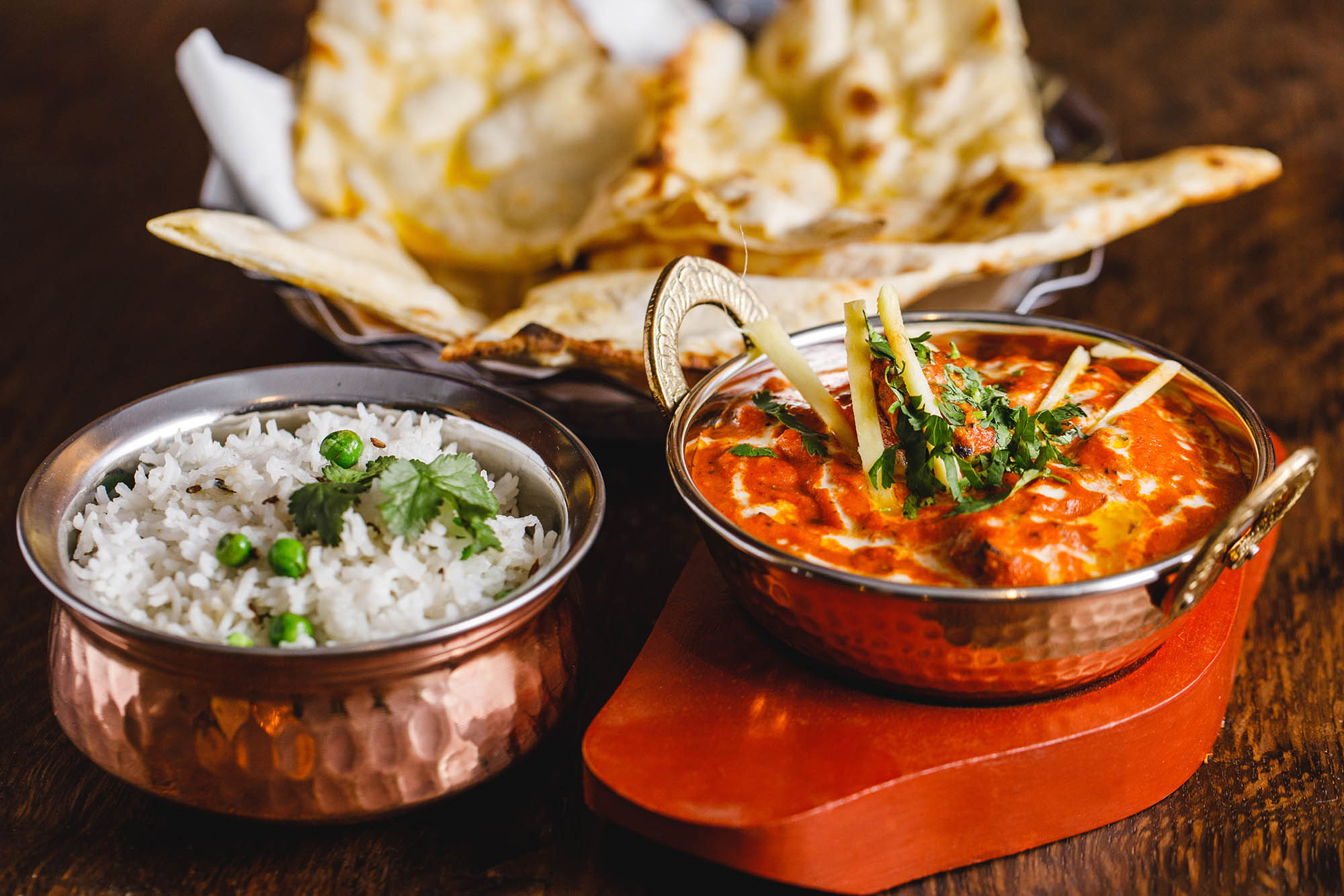
One such place is Smokey Barrels, at 1741 Coventry Rd, Birmingham B26 1DS, UK, +44 121 764 5519. It is an Indian restaurant and sports bar on Coventry Road, around ten minutes from Birmingham Airport and the NEC, with a kitchen built around the clay tandoor. The menu includes mixed grills, chicken tikka, seekh kebabs, lamb chops, and masala fish, alongside curries, vegetarian dishes, pub classics, and a children's menu. The spice menu is halal, and the bar pours nine beers on tap, cocktails, and pitchers. Premier League football, boxing, F1, cricket, and rugby are shown live on big HD screens. There is free on-site parking, a beer garden, and private hire for 70 to 150 guests.